- OK
- Airmez
- AIVONO
- ARYMI
- Quadriciclos
- Bang
- CAIXA DE ESTRONDO
- BIMO
- MENSAGEM
- BASTÃO DE BRISA
- ERRO
- NUVEM NOVE
- CRAZYACE
- CRYSTAL MARY
- CAIXA DE ELFO
- FIHP
- EFERVESCENTE
- Temperamental
- Grativape
- Nebuloso
- Figo
- Lá
- IQTE
- JNR
- Lavanda
- LAVIE
- O Messias
- MOTI
- PEQUENO
- MYDE
- LINK
- À MODA ANTIGA
- Pluscig
- PUFFEEL
- RandM
- Barra Razz
- SFOG
- SOLARIS
- Ganhar
- UZY
- BRAÇOS
- VAPME
- VASO
- Vhill
- VOPK
- VOZOL
- VESPA
- WGA
- ZOOEY


Quick summary: Nicotine is a natural stimulant found in plants of the nightshade family (such as tobacco and tomatoes). Although it is the main addictive substance in cigarettes, it is not the main cause of smoking-related diseases. In e-cigarettes, customizable Nicotine Levels(nicotine content) allows smokers to effectively manage withdrawal symptoms while staying away from traditional cigarettes.
Índice
1. Why do you need to know about nicotine?
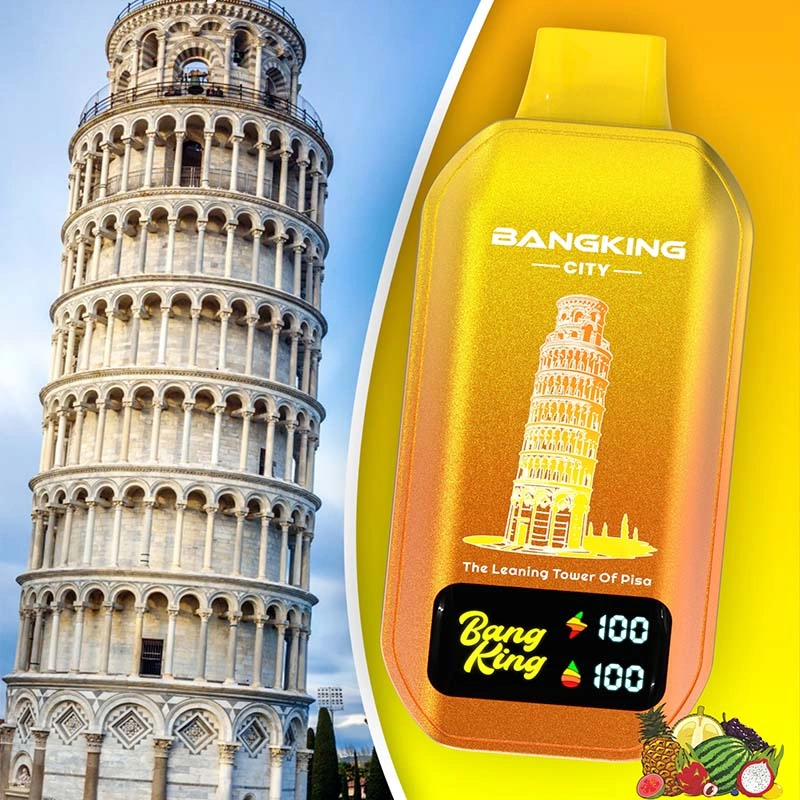
For most people, nicotine is synonymous with smoking. However, with the rise of e-cigarettes, nicotine pouches and chewing gum, things have changed. If you’re trying to quit smoking, understanding the nature of nicotine and how to choose the right concentration are the most important factors in preventing relapse.Feature #1: Demystifying Common Myths About Nicotine
Before we dive into concentration, we need to separate fact from fiction:
- Misunderstanding: Nicotine causes cancer.
- fact: Nicotine is addictive, but it is not a carcinogen. Cancer is primarily caused by the tar and toxic chemicals released when tobacco is burned.
- Misunderstanding: Nicotine can yellow teeth and fingers.
- fact: This yellow stain is actually caused by tar. The nicotine in e-cigarettes does not produce tar.
- Misunderstanding: E-cigarettes are just as harmful as cigarettes.
- fact: Public Health England states that e-cigarettes are at least 95% less harmful than smoking due to the elimination of the combustion process.
2. Read labels: milligrams vs. percentages
When purchasing e-liquid, it is crucial to understand the numbers on the bottle. Manufacturers typically display strength in two ways: milligrams per milliliter (mg/ml) or volume percent.
- 0mg (0%): Completely nicotine-free.
- 3mg (0.3%): Very low concentration, suitable for light smokers or heavy smokers.
- 12mg (1.2%): Medium to high concentration, suitable for ordinary smokers.
- 2% Nicotine (20mg): This is the legal maximum concentration in the UK and EU. It is the industry standard for most disposable e-cigarettes and is ideal for heavy smokers who need immediate relief from their cravings.
- 5% Nicotine (50mg): You may have seen this concentration online or in American products. This is an extremely high concentration. Although common in North America, it is often banned in the UK and Europe due to safety regulations.
3. How to choose nicotine strength
Choosing the right strength is extremely personal and depends largely on your previous smoking habits. The goal is to match the nicotine delivery efficiency of cigarettes to avoid withdrawal symptoms.
| Smoking habit | Recommended strength | Recommended product types |
|---|---|---|
| Social smoker (<5 cigarettes/day) | 3mg – 5mg | Low nicotine disposable vapes or low concentration e-liquid |
| Light/moderate smoker (5-10 cigarettes/day) | 6mg – 10mg | Regular e-liquid |
| Regular smoker (1 pack/day) | 10mg – 20mg | Nicotine salt e-liquid |
| Heavy smoker (20+ cigarettes/day) | 2% Nicotine (20mg) | Highly concentrated nicotine salts or disposable devices |
Feature #2: Dosage Troubleshooting Guide
Even with a guide, you may not get it right the first time. Here’s how to adjust your dose based on your body’s response:
Signs that nicotine levels are too high:
- Headache: A dull ache is usually a sign of overdose.
- nausea: Feeling queasy or dizzy.
- cough: A strong throat hit that prevents you from entering your lungs means that the e-liquid is too strong for the device you are using.
- Solution: Switch to a lower mg e-liquid, or try low nicotine disposable vapes。
Signs that nicotine levels are too low:
- Frequent puffing: Having to pump constantly to get satisfaction.
- irritability: Feeling grumpy or anxious.
- Risk of relapse: You still want to reach for the cigarette.
- Solution: Increase strength immediately (e.g. from 3mg to 10mg).
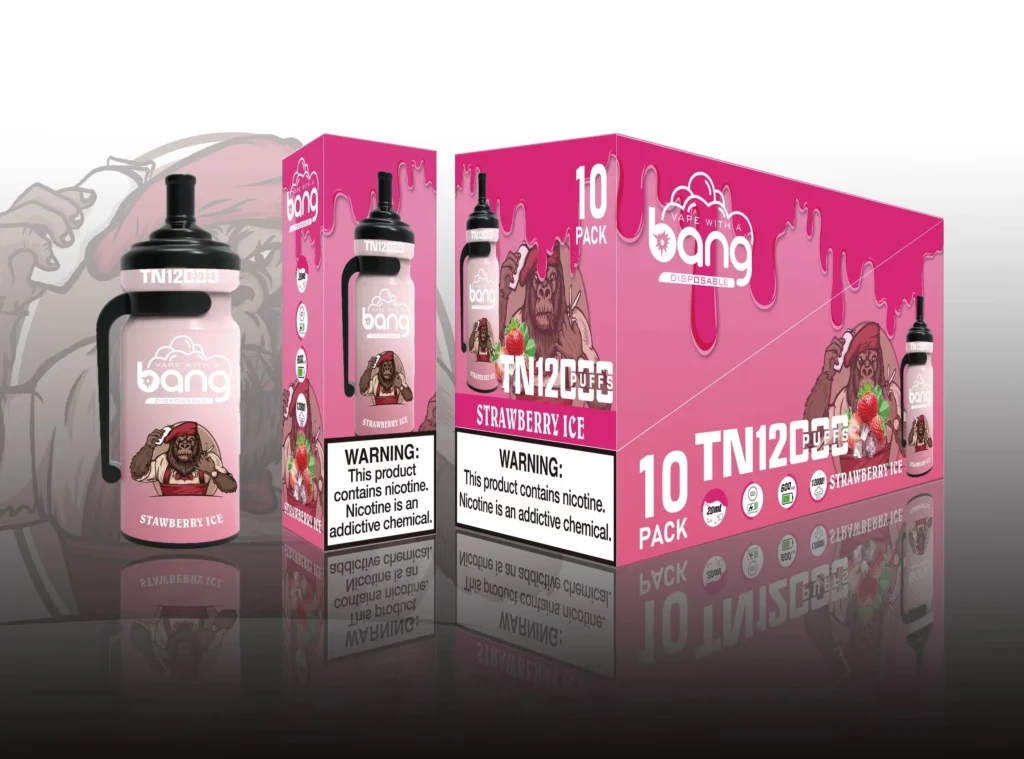
4. Device matching with low nicotine options
Your device determines the strength of nicotine you can handle, just as important as your smoking habits.
- Pod Kits and disposable e-cigarettes: These are low-power devices that mimic the dampening feel of a cigarette. They are designed for high nicotine levels (10mg–20mg).
- Sub-Ohm Kits: These are high-powered devices that produce large amounts of steam. Because you are inhaling a large amount of vapor at once, only use low strengths (3mg or 6mg). Used in high power equipment 5% Nicotine Even 2% e-liquid can be very harsh on the throat and may cause physical discomfort.
- Low nicotine disposable vapes: There are now more and more low-strength options on the market for those who want the convenience of a disposable device but don’t want to ingest high-strength nicotine.
Feature #3: A “stepped” step-down strategy for smoking cessation
One of the biggest advantages of e-cigarettes over cigarettes is that they can gradually reduce nicotine intake until complete withdrawal. Here is a successful tapering schedule:
- The first stage (switching period): Start with a high concentration (e.g. 2% Nicotine) to match your cigarette habits. Don’t worry about reducing your intake at this time ; The goal is simply to stop smoking tobacco.
- The second stage (stable period): After 1-3 months of stopping smoking, try switching to a medium strength (such as 10mg or 1%). You may smoke more frequently at first, but your body will get used to it.
- The third stage (reduction period): Move to lower strength (3mg or 6mg). During this stage, you are breaking your body’s physical dependence on nicotine.
- Stage 4 (no nicotine): Finally, switch to 0mg e-liquid. This allows you to retain the habitual action of smoking but no longer ingest addictive chemicals.
Summarize
Although often misunderstood, nicotine is an important harm reduction tool in the context of smoking cessation. By separating the addictive chemicals from the toxic smoke of cigarettes, you can take control of your health without facing the pain of immediate withdrawal.
The key to a successful transition is understanding Nicotine Levels——understand intense 5% Nicotine and standard 2% Nicotine the difference between – and learn How to choose nicotine strength to match your previous smoking habits. Whether you are using low nicotine disposable vapes Whether you follow a structured “step-by-step” strategy, the end goal is the same: achieve a smoke-free life at your own pace.